
How It Works
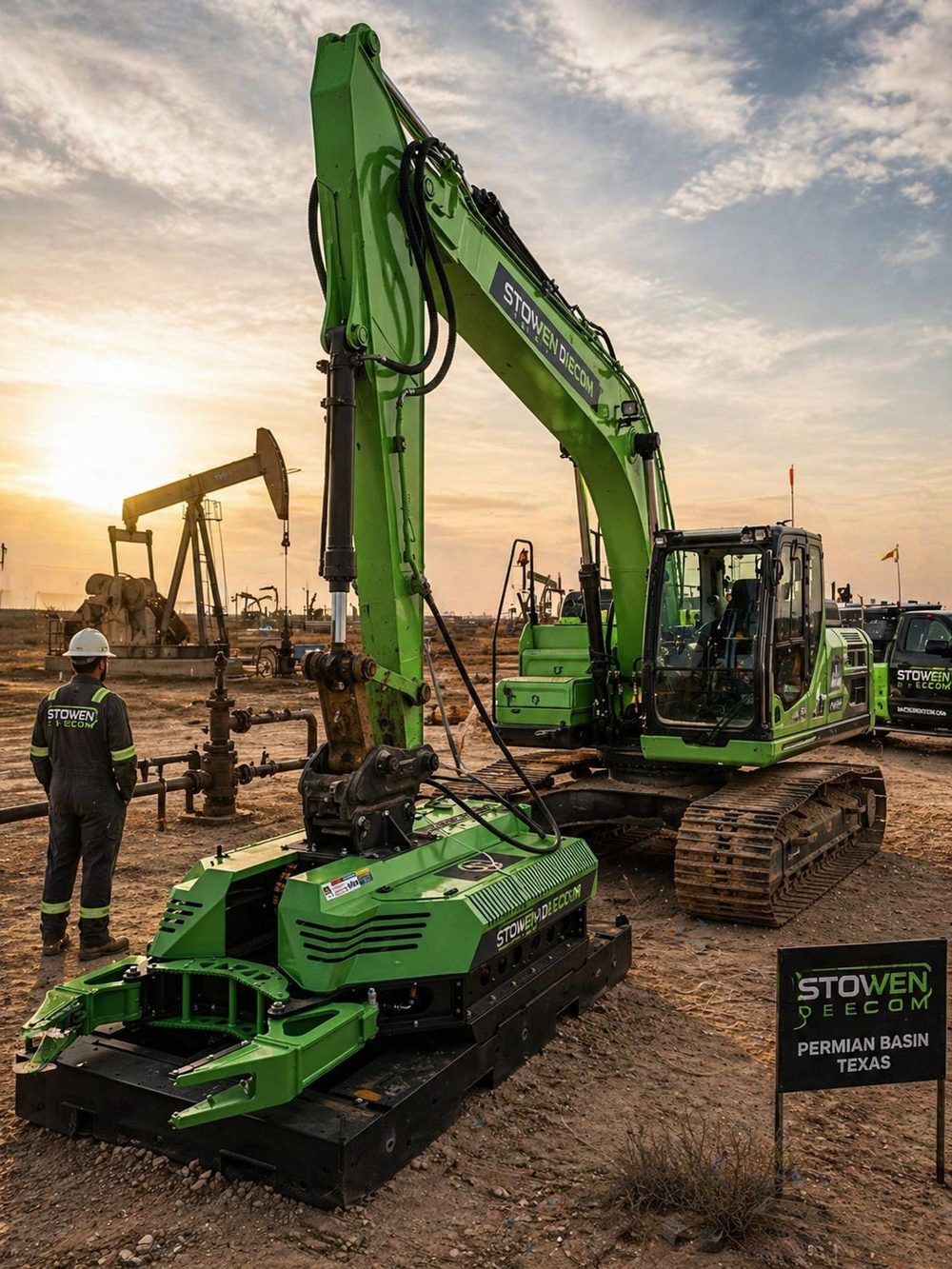
One tool. One operator. One motion.
The cutting head mounts directly to a standard excavator, doing the work of a torch crew and a separate lifting machine at once.
The process
From mobilization to a clear site
Attach to the excavator
The tool couples to the excavator's arm on site, using the machine's existing hydraulics to power the jaws. No separate power unit to transport or set up.
Grip above the cut line
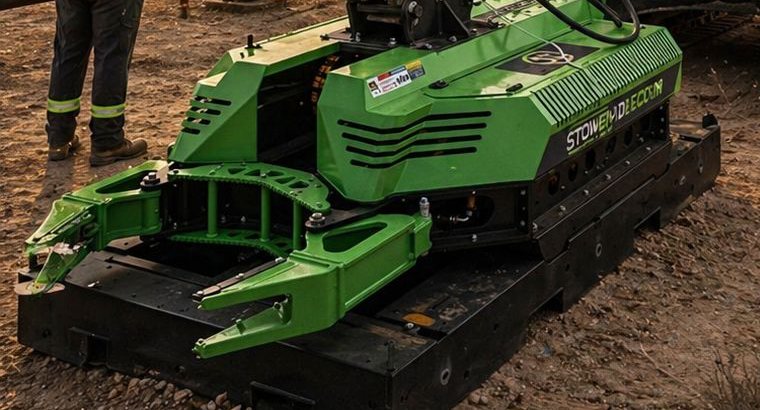
The operator positions the jaws around the casing above the intended cut point and clamps down, taking the full weight of the section before cutting begins.
Saw the casing
A hydraulically driven circular saw blade with tungsten-carbide teeth cuts through the casing wall in place. No open flame, no cutting torch, and no hot-work permit required for this step.
Lift the section clear
The same jaws that gripped and cut the casing now carry it away — the excavator swings the severed section directly to a laydown area or waiting truck.
Why one tool does both jobs
Cutting and lifting were never separate problems
Every traditional method treats "sever the casing" and "remove the casing" as two jobs needing two machines. Building the grip, the saw, and the lift into one head removes that hand-off entirely — along with the equipment, the rigging, and the time it takes.
Compatibility
Built to work with equipment already on site
Excavator-mounted
Couples to standard mid-to-large class excavators already common on onshore well sites.
Hydraulically powered
Runs off the host excavator's hydraulic system — no auxiliary power pack to mobilize.
Single-operator control
Clamp, cut, and lift are all controlled from the excavator cab by one operator.