
Safety
Nobody stands at the cut
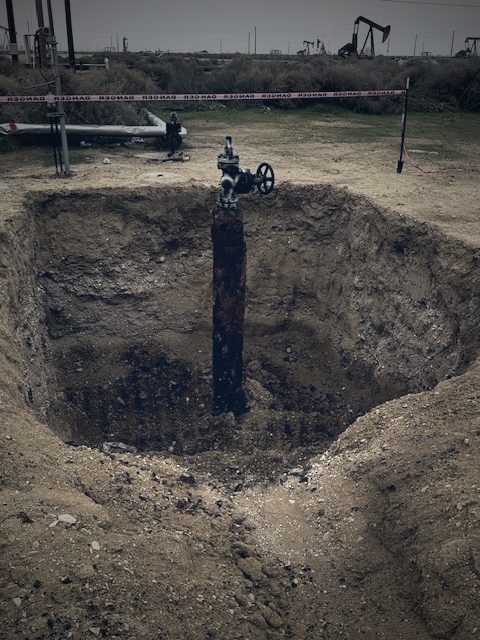
The entire clamp-cut-lift sequence is designed to happen without a single person positioned at the wellbore.
Side by side
How the process compares
| Factor | Traditional method | Stowen Decommissioning |
|---|---|---|
| Cutting method | Open-flame torch | Hydraulic saw, no flame |
| Hot-work permit | Required | Not required for the cut |
| Lifting | Separate crane, manual rigging | Same tool lifts the section |
| Crew position during cut | At ground level, near wellbore | In the excavator cab |
| Machines on site | Torch rig + crane + support | One excavator + attachment |
We engineer safety for the staff, whilst our clients benefit in its efficiency.
Why it matters
Removing exposure, not just managing it
Most safety programs focus on how carefully a crew works near a hazard. This process is designed to take the crew out of the hazard area in the first place.
No open flame
The hydraulic saw blade removes the ignition source that hot cutting introduces near a wellbore.
No suspended-load rigging
Manual slinging under a lifted section is eliminated — the tool that cuts is the tool that lifts.
Fewer people, fewer machines
One operator and one machine on the immediate task means fewer people exposed to the work area overall.