The Problem
A routine step that carries outsized risk
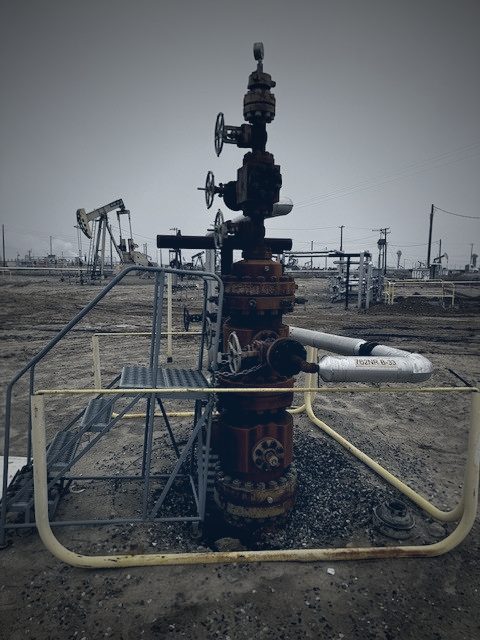
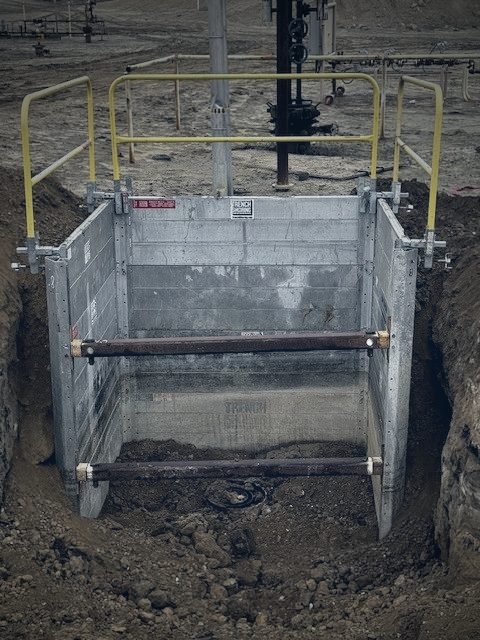
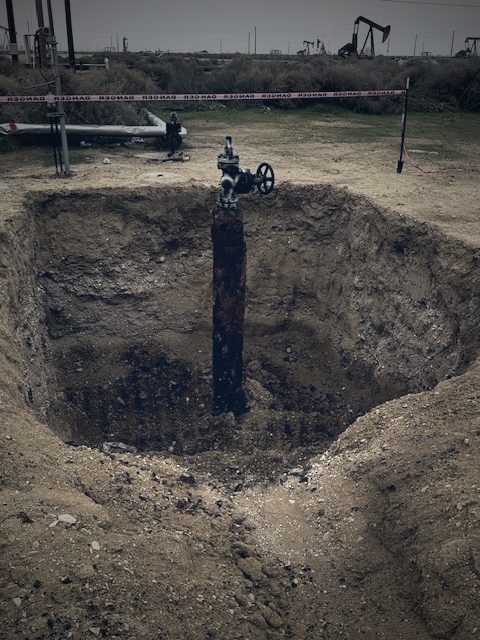
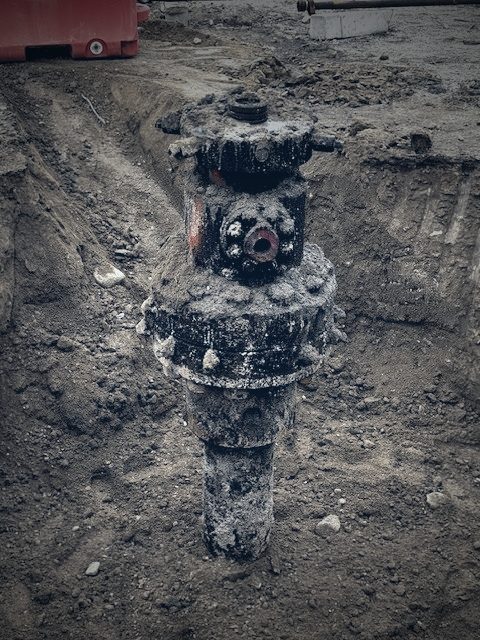
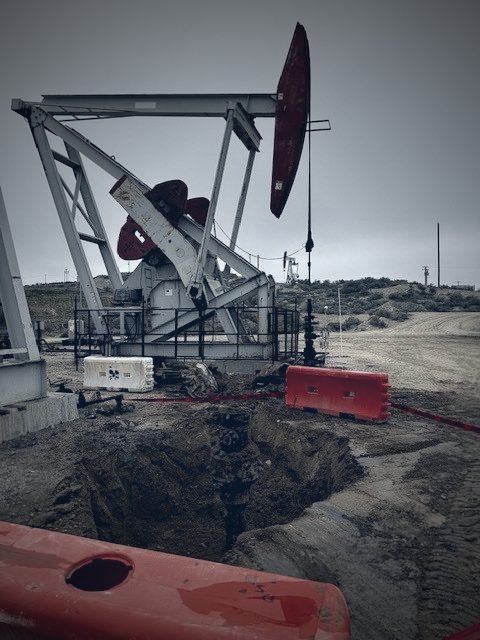
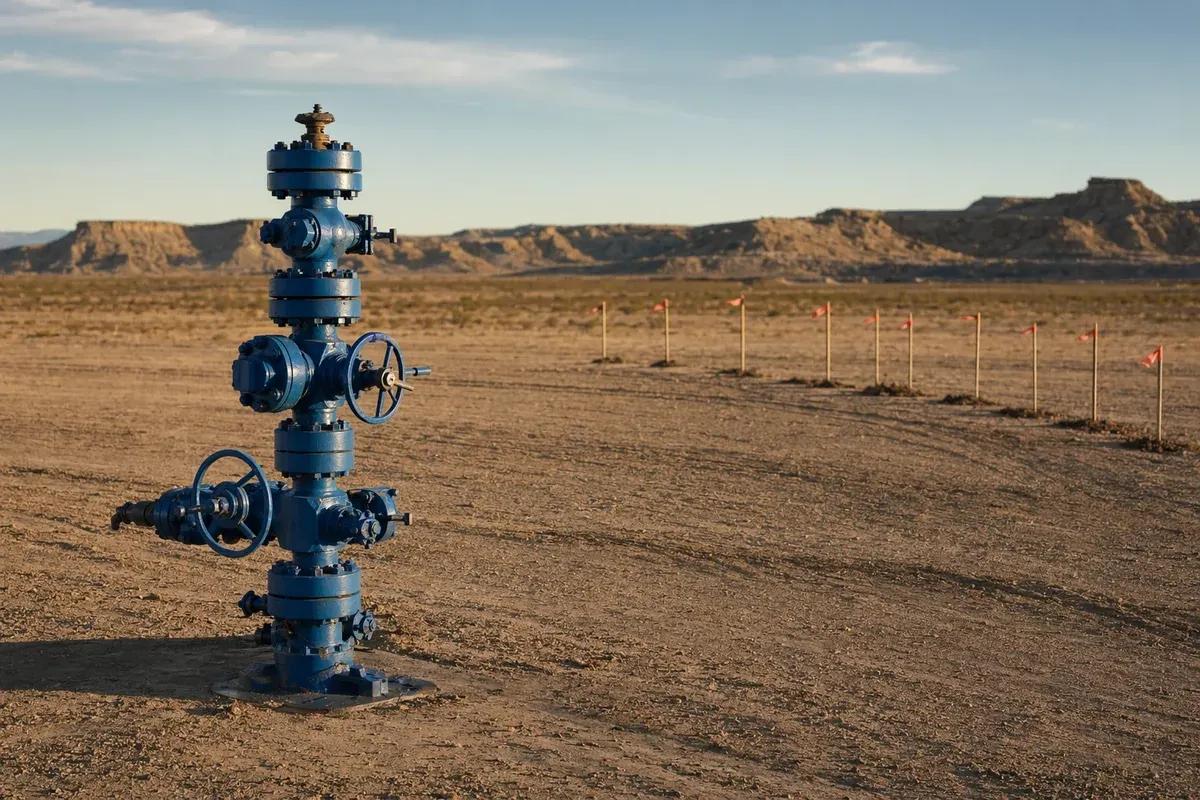
Removing a wellhead is one of the last jobs in plug & abandonment — and one of the few that still relies on methods built for a different era.
The traditional method
Three separate operations, three separate risks
Most onshore crews still remove a wellhead in stages, with different equipment and different people exposed at each one.
Hot cutting
A cutting torch is used to sever the casing — an open flame working near a wellbore that may still hold residual hydrocarbons, requiring a hot-work permit and standby fire watch.
Manual rigging
Once cut, the section is slung and rigged by hand so a separate crane or lifting machine can pick it clear — crew working directly beneath a suspended load.
Crew at the cut
Both steps put people at ground level, at or near the wellbore, for as long as the cut and lift take — often the longest and least predictable part of the job.
What it costs
Time, equipment, and exposure add up
Every extra machine on site is another mobilization cost. Every extra hour at the wellhead is another hour of crew exposure. On a multi-well pad, that adds up fast.
-
Multiple machines to mobilize
A torch rig, a separate crane or lifting unit, and supporting vehicles — each with its own transport and setup time.
-
Permits and standby requirements
Hot-work permits, fire watch, and the scheduling delays that come with them.
-
Extended crew exposure
The longer the cut-and-lift sequence takes, the longer personnel remain at the wellbore.
Sites we're called to
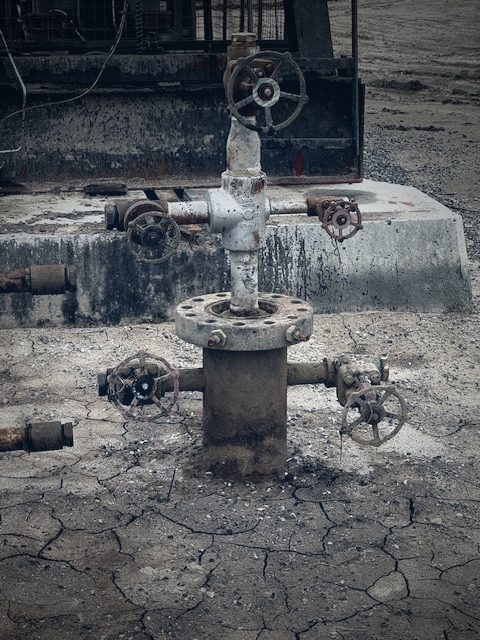
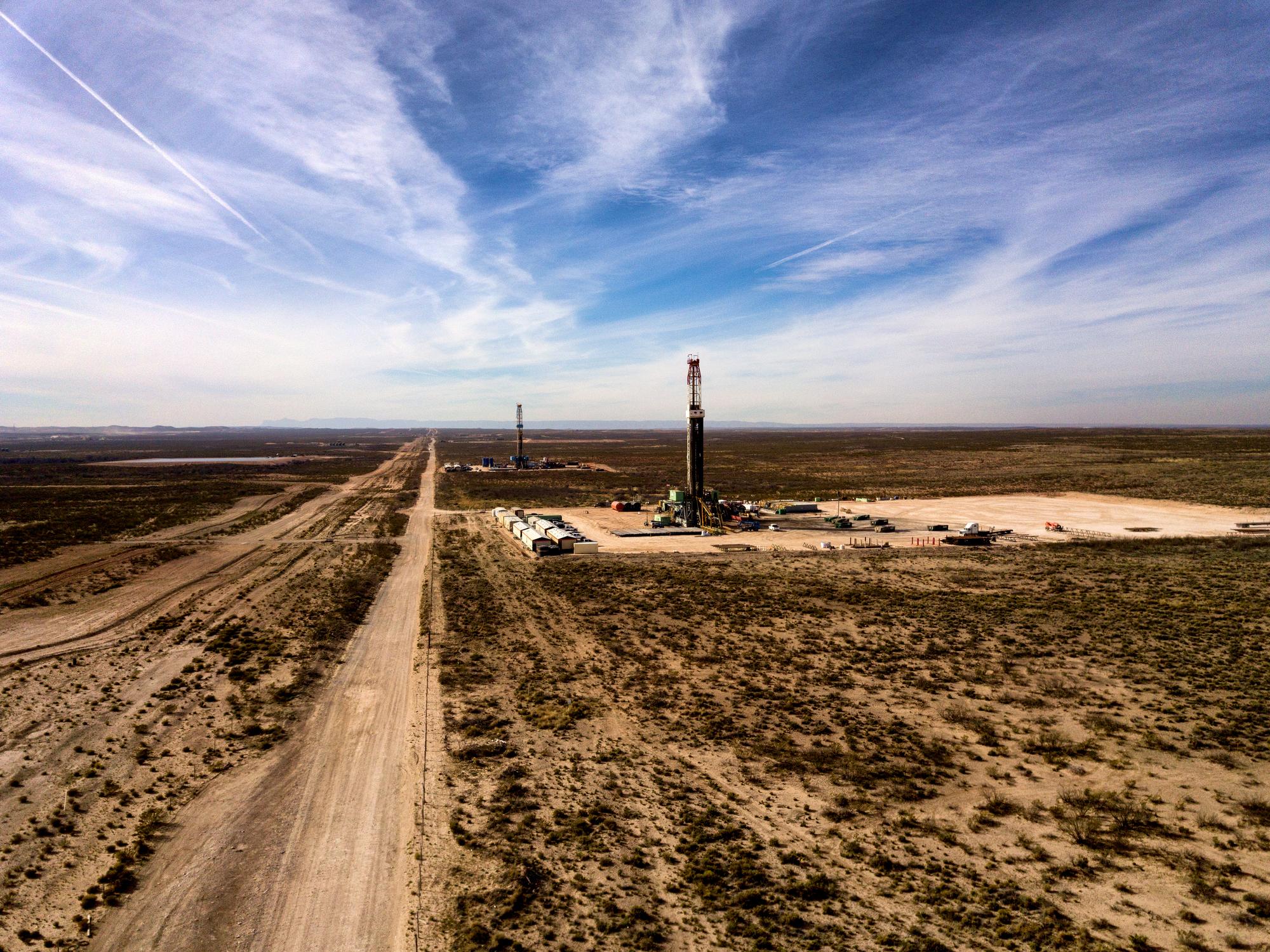
Every basin has wells like these
Aging wellheads, marginal wells, and end-of-life sites waiting on the next stage of P&A.